The Science
Learn what makes DENAS so effective.
Scientific Research Overview
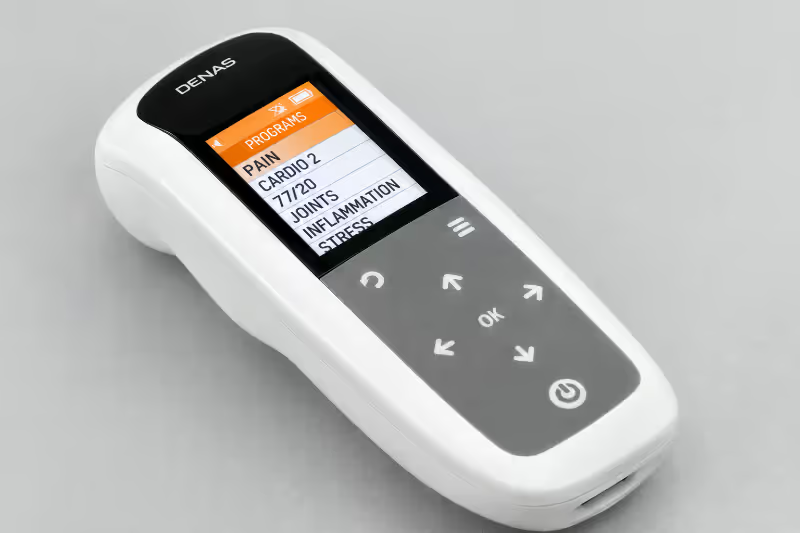
DENAS PCM6 is a handheld neurostimulation device that delivers gentle, computer‑controlled electrical signals through the skin to help the body manage pain, stress, and recovery without drugs. Its core principles are shared with well‑studied non‑invasive electrical nerve stimulation technologies used worldwide for pain relief and rehabilitation.

Roots in Space-age Biofeedback Technology
DENAS technology grew out of Soviet‑era research into compact, drug‑free nonsurgical methods for healing cosmonauts functioning in extreme conditions.
Engineers and doctors combined acupuncture concepts, reflex zones, and modern electronics to create dynamic electrical neuro‑adaptive stimulation—short electrical impulses that interact with the nervous system and automatically adjust based on the body’s response.
How DENAS Works
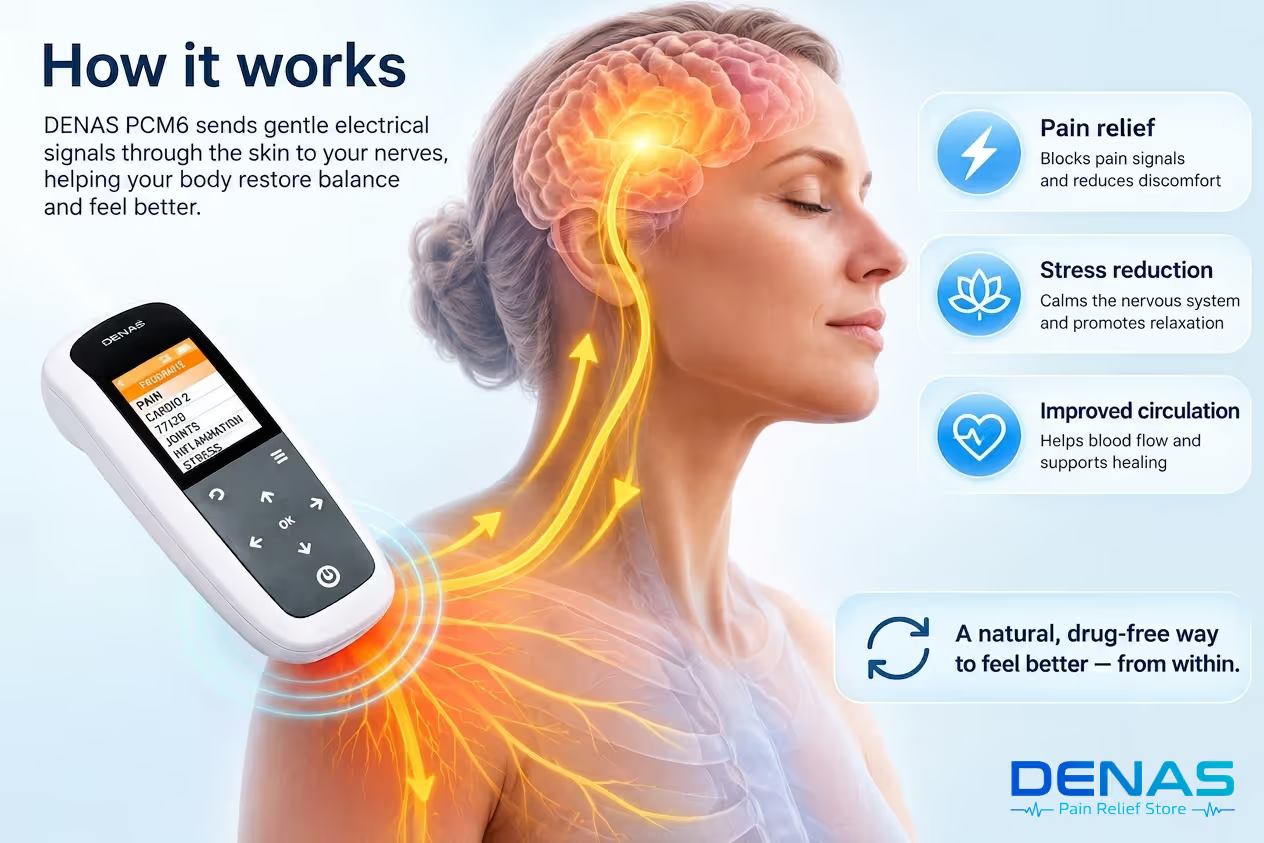
DENAS sends short, low‑intensity electrical pulses through the skin that are designed to feel similar to the body’s own nerve signals. These pulses stimulate nerve endings and unmyelinated C‑fibers in the skin—fibers that carry slow pain and regulatory signals—to encourage the release of the body’s own neuropeptides and regulatory substances involved in pain control, circulation, and healing.
Adaptive biofeedback for personalized sessions
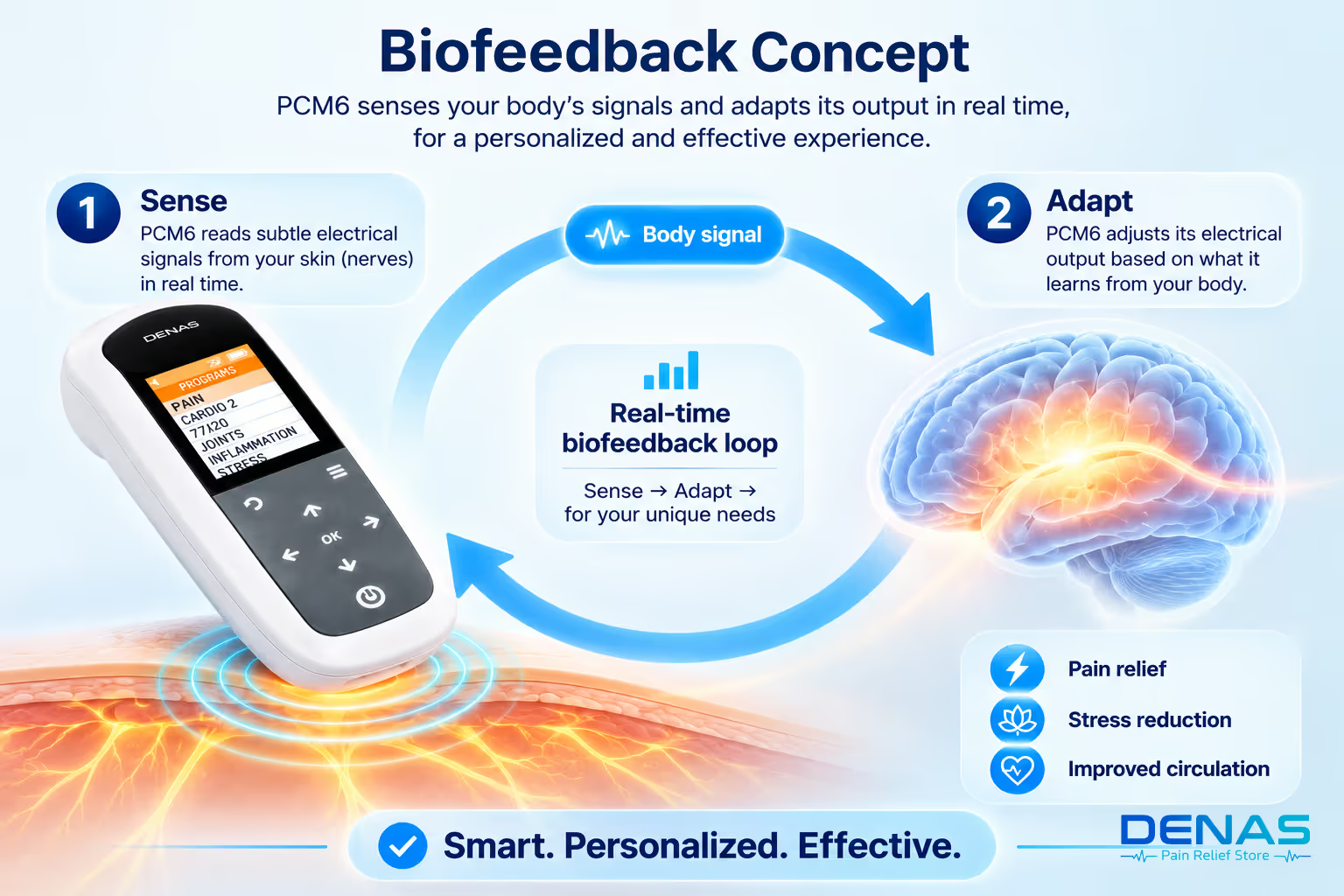
Unlike basic TENS units that simply “fire” at a fixed intensity, DENAS PCM6 continuously reads changes in the skin’s electrical properties and adjusts stimulation parameters in real time.
This biofeedback‑style approach is inspired by broader neuromodulation research, where adaptive electrical stimulation has been shown to reduce unnecessary energy delivery and improve comfort and safety in long‑term nervous‑system treatments.
Connection to the wider science of neurostimulation
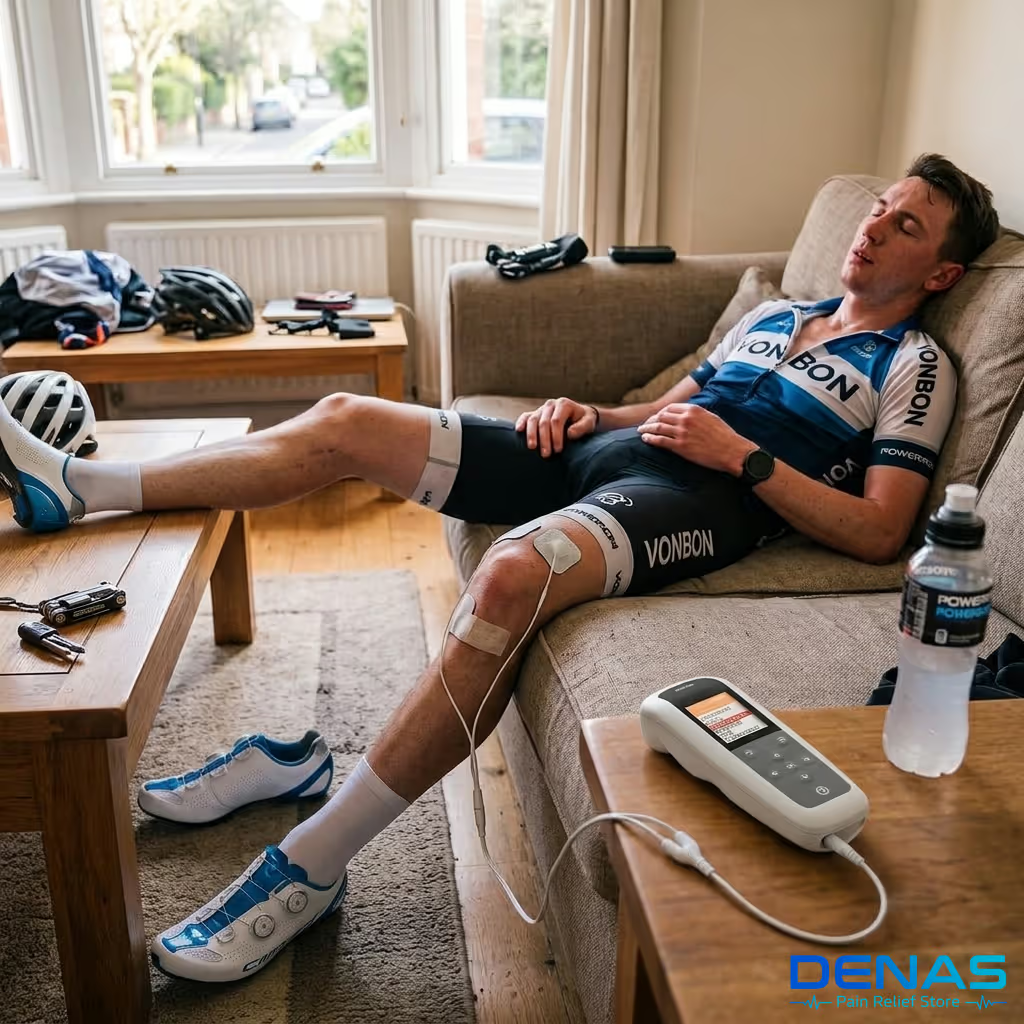
Non‑invasive electrical nerve stimulation (including TENS and related methods) has been studied for over 50 years and is widely used to help manage both acute and chronic pain conditions.
Systematic reviews show that, when used correctly, transcutaneous electrical nerve stimulation can reduce pain intensity and is generally safe, with only minor skin irritation reported in some users.
Electrical stimulation has also been shown to trigger neural adaptations—changes in how the nervous system activates muscles and processes sensory input—supporting its use in rehabilitation and performance recovery programs.
Research on modern non‑invasive neuromodulation systems further supports the idea that carefully designed electrical patterns can influence brain and nerve circuits involved in pain, mood, and movement.
What makes DENAS PCM6 distinctive
DENAS PCM6 builds on this scientific foundation with several design choices tailored for everyday home use:
Computer‑controlled frequencies and modes
The device includes a range of preset programs and specialized frequencies, such as the modulated “77/20” mode and 125 Hz, which were developed and tested in DENAS clinics for stress reduction, vascular regulation, and mild analgesic (pain‑blocking)Biofeedback‑guided stimulation
Real‑time adjustment of impulses based on skin impedance helps the device avoid “over‑stimulation,” maintain comfort, and support sustained effectiveness over repeated sessions.Color display and guided zones
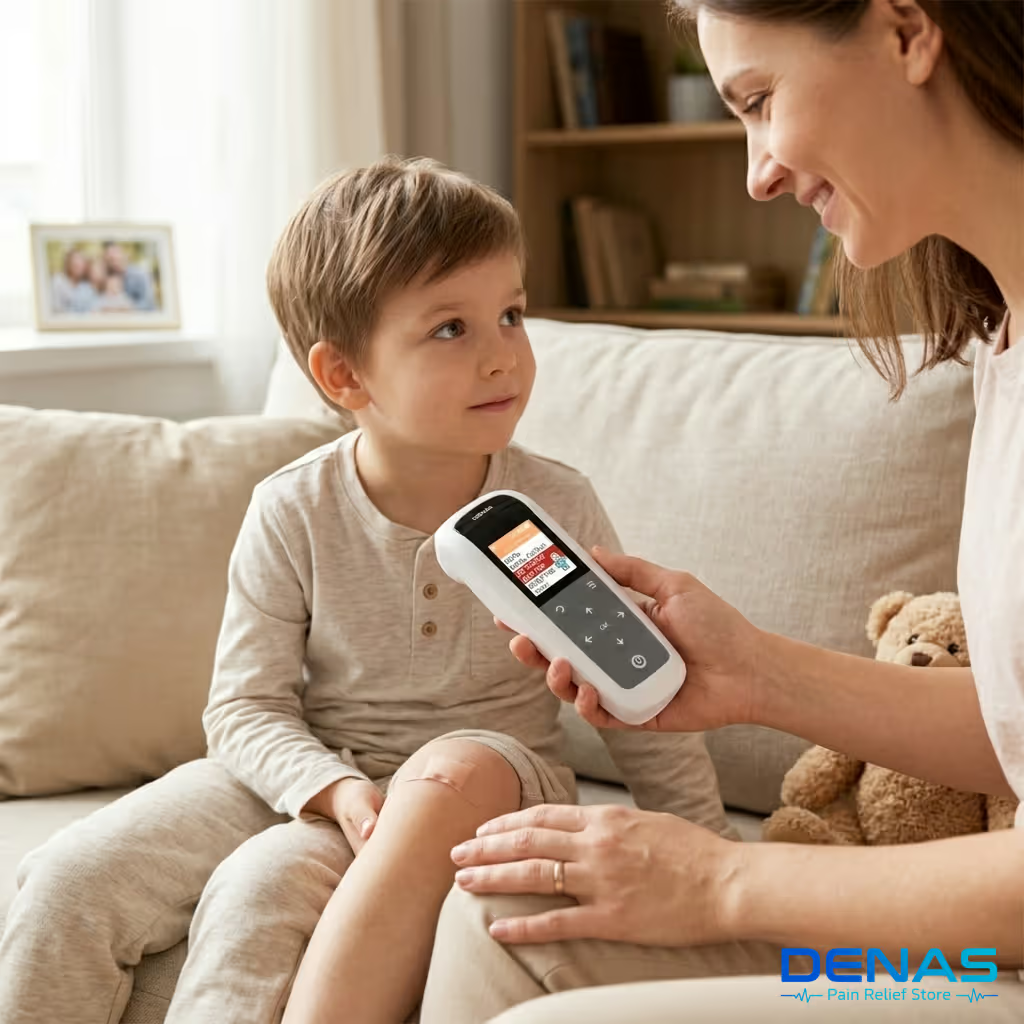
A clear color screen and body‑zone indications make it easier for users to place the device correctly and follow recommended programs, even without technical or medical training.Family‑oriented “Children’s Doctor” function
The PCM6 includes refined, gentle pediatric modes that were expanded based on feedback from parents using earlier models, making it more accessible for family use under appropriate guidance.
Claimed benefits and typical uses
Users and practitioners employ DENAS PCM6 as part of a drug‑free approach to a variety of everyday complaints and wellness goals:
Pain and tension
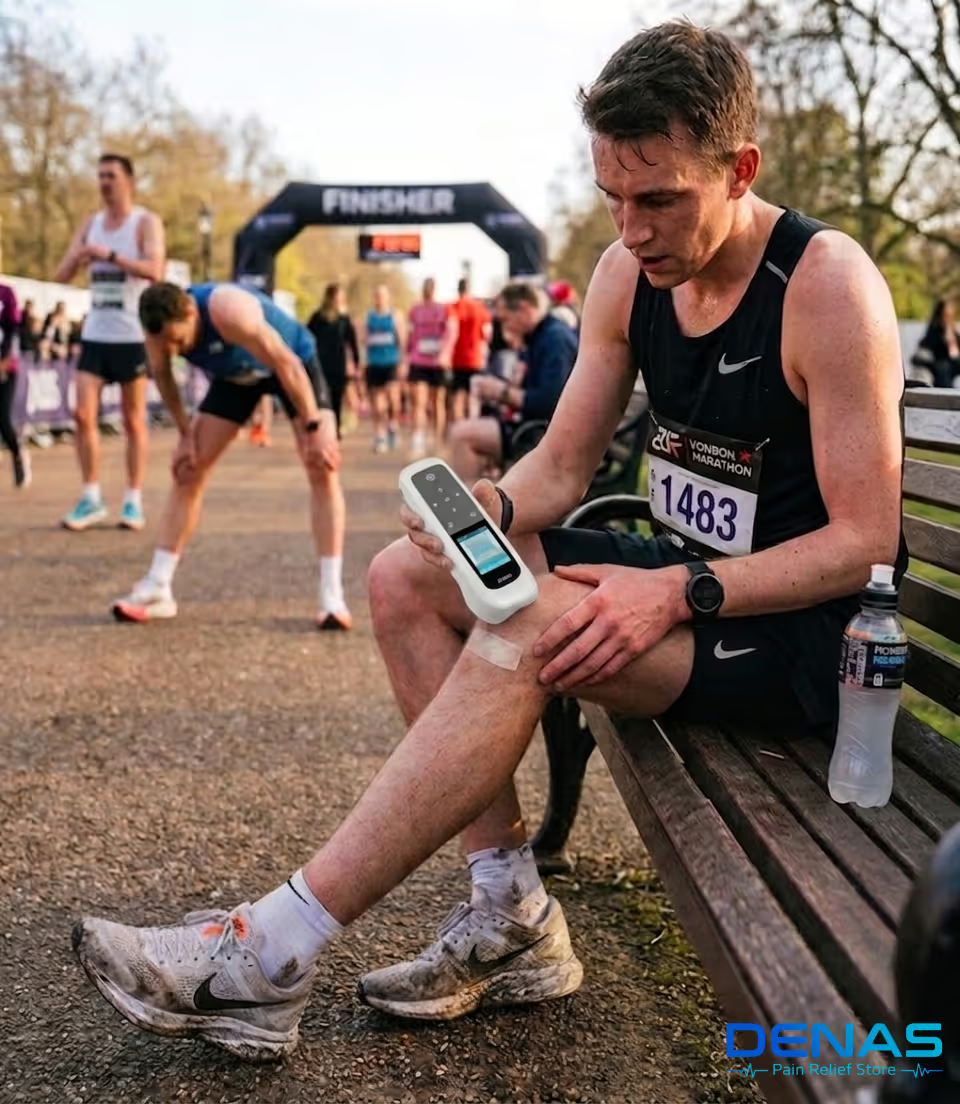
Many users apply PCM6 for back pain, joint pain, headaches, muscle spasms, sports injuries, and fibromyalgia‑type discomfort, aiming to stimulate natural pain‑control pathways rather than relying solely on medication.Circulation and swelling
The 77/20 modulated mode is promoted for supporting blood and lymph circulation, helping with edemas, vascular tone, and general microcirculation.Stress, sleep, and mood
Clinic investigations reported that specific PCM6 modes can help calm the nervous system, reduce anxiety, and support more balanced sleep and stress responses.Recovery and rehabilitation
In line with broader electrostimulation research, PCM6 is used to support recovery after injuries and surgeries by encouraging neural and microcirculatory changes associated with tissue repair and functional restoration.
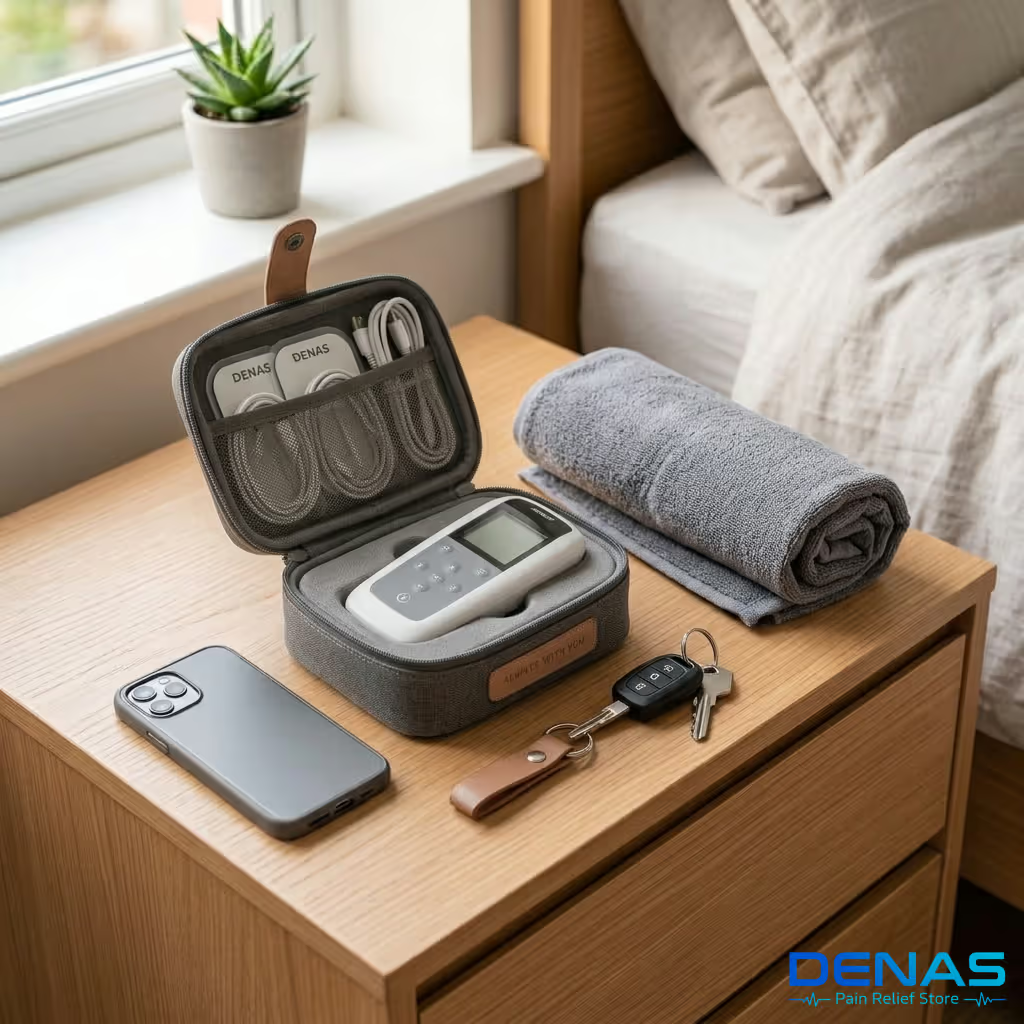
Because it is portable, battery‑powered, and non‑invasive, users can integrate sessions into daily routines—before bed, after training, or during breaks—without interrupting work or family life.
Safety and responsible use
Non‑invasive electrical stimulation techniques like those used in PCM6 are generally considered safe when used as directed, with the most common minor side effects being temporary skin redness or discomfort at the stimulation site.
DENAS PCM6 is designed for home and professional use, but it should be used according to the manufacturer’s instructions and is not a replacement for qualified medical diagnosis or emergency treatment.
For individuals with implanted electronic devices (e.g., pacemakers), pregnancy, epilepsy, or serious heart conditions, consultation with a healthcare professional is recommended before using any electrical stimulation device.
Why people choose DENAS PCM6
For many people, the appeal of DENAS PCM6 is simple: a compact, intelligent device that lets them actively participate in managing pain, stress, and recovery without relying solely on drugs or invasive procedures.
The combination of adaptive biofeedback, proven neurostimulation principles, and user‑friendly design makes PCM6 an attractive option for households, athletes, and wellness‑focused individuals who want more control over their health routines.